GNL Regasification Satellite Plants
Who is it aimed at?
Companies and industries with high thermal demand that require safe and efficient energy solutions.
What is it?
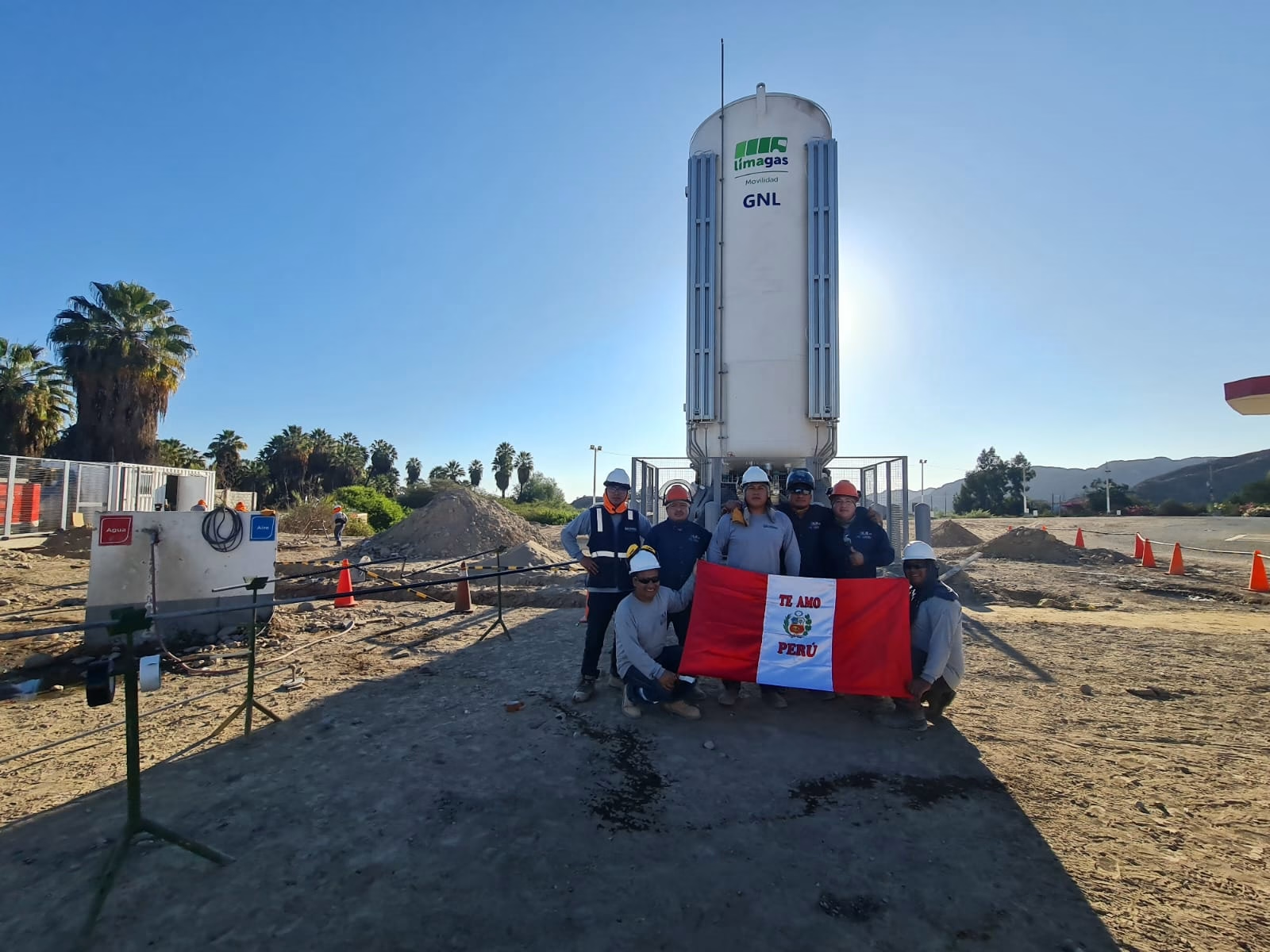
An LNG regasification satellite plant is a facility that receives Liquefied Natural Gas (transported at low temperature in liquid form) and transforms it back into a gaseous state for use in industrial thermal processes.
¿Qué hacemos?
We design, install and operate regasification solutions that allow the use of natural gas in areas not connected to gas pipelines.
How do we do it?
- We transport cryogenic GNL in specialized tankers to the customer's plant.
- GNL is stored in insulated tanks and regasified using vaporizers.
- The gas is conditioned to optimal pressure and temperature to power boilers, furnaces and thermal equipment.
- We operate with high standards of automation, monitoring, and industrial safety
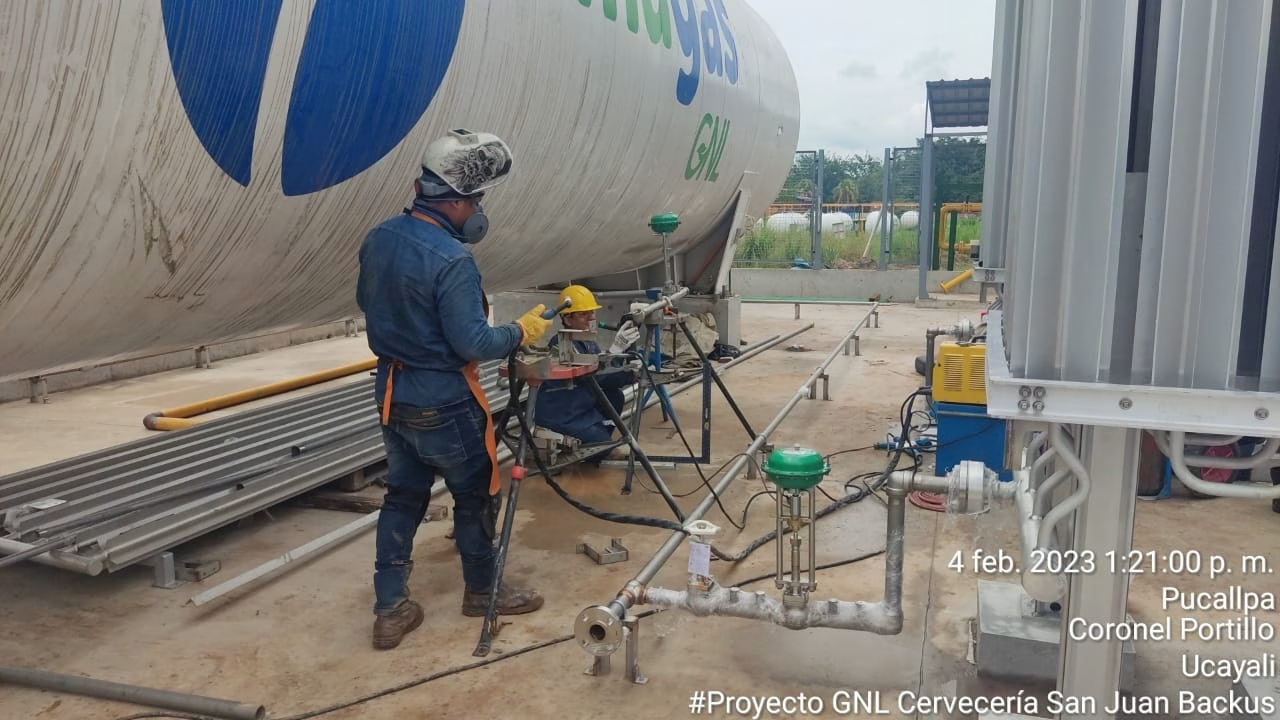
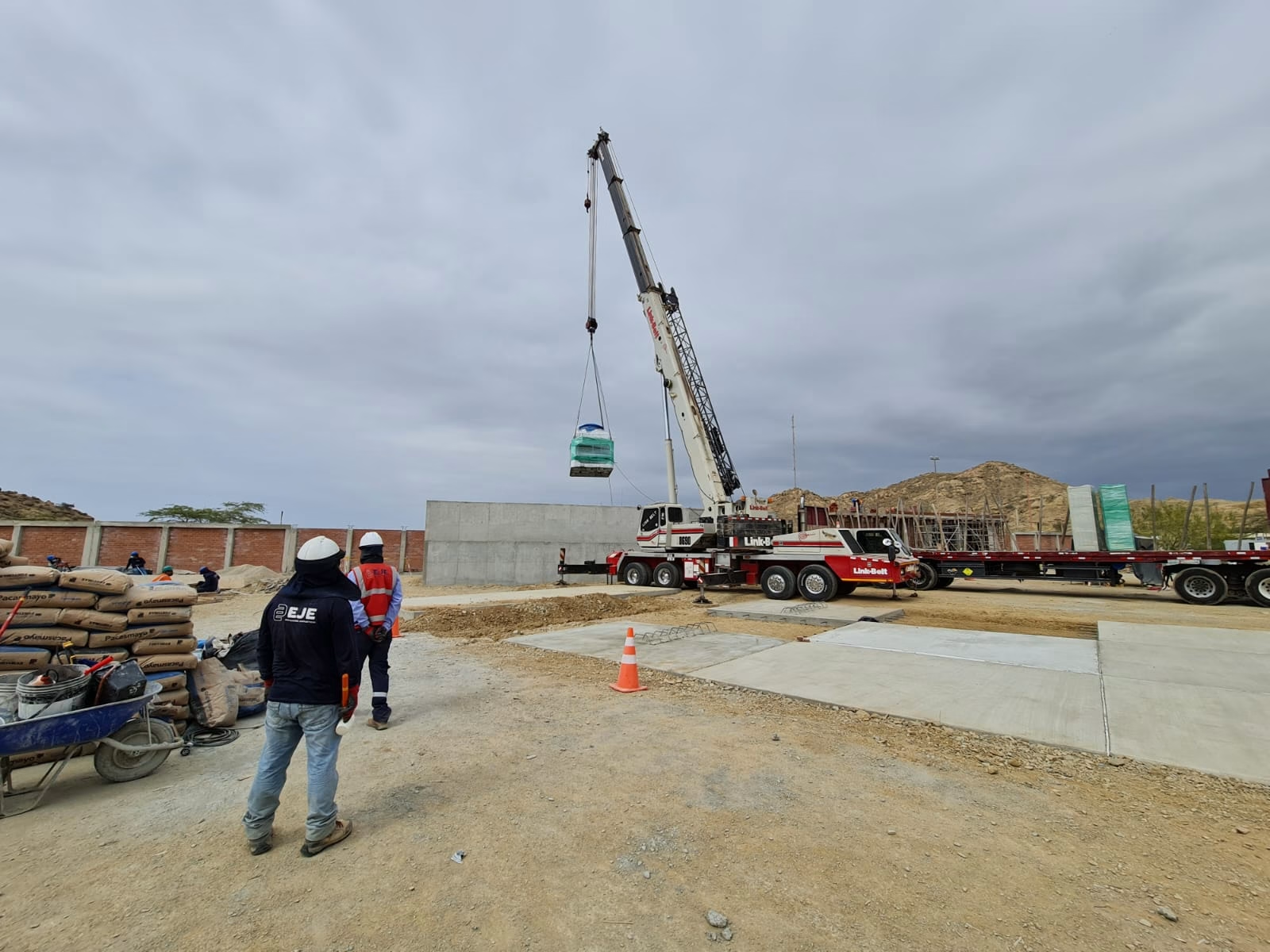
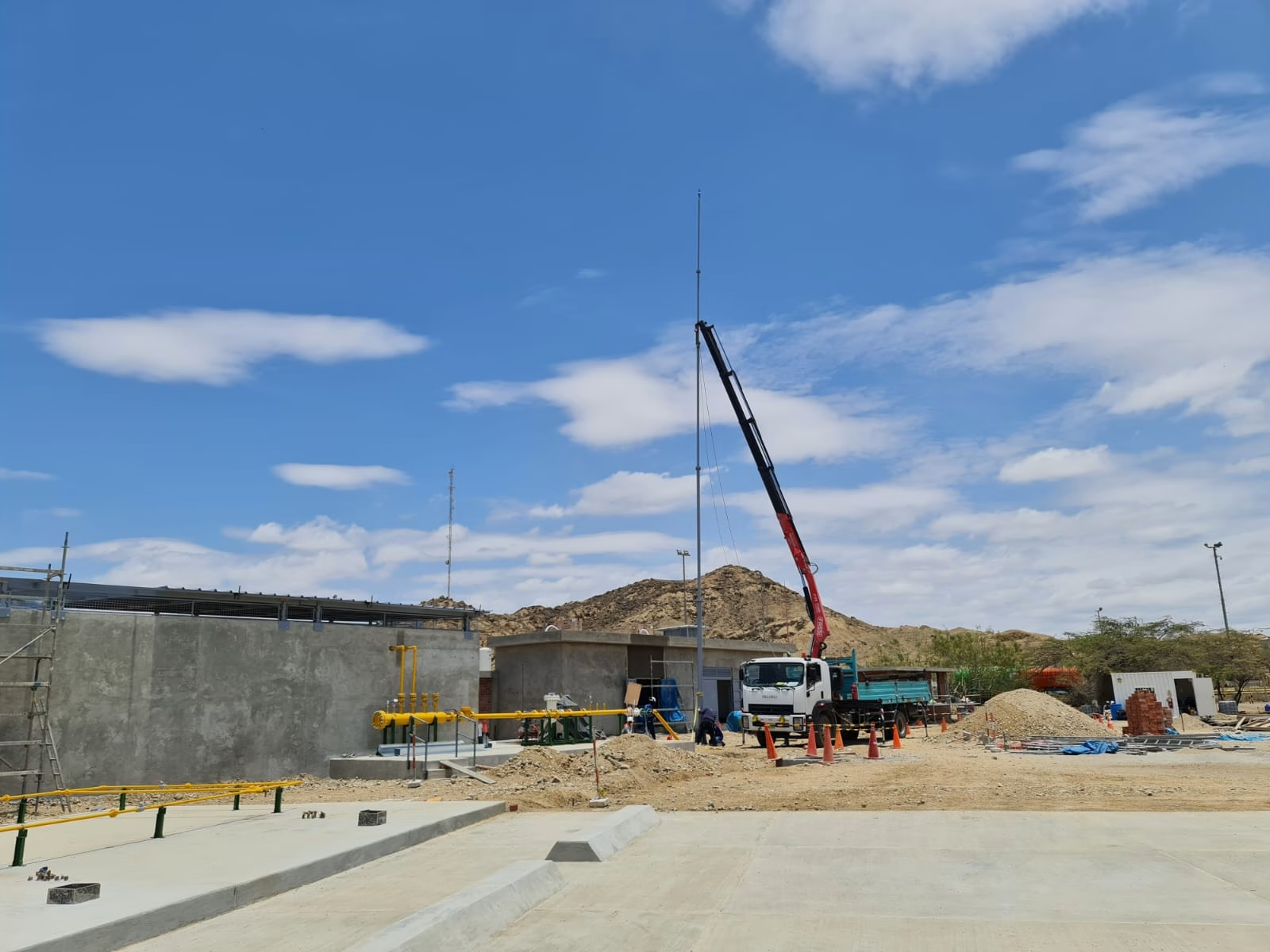
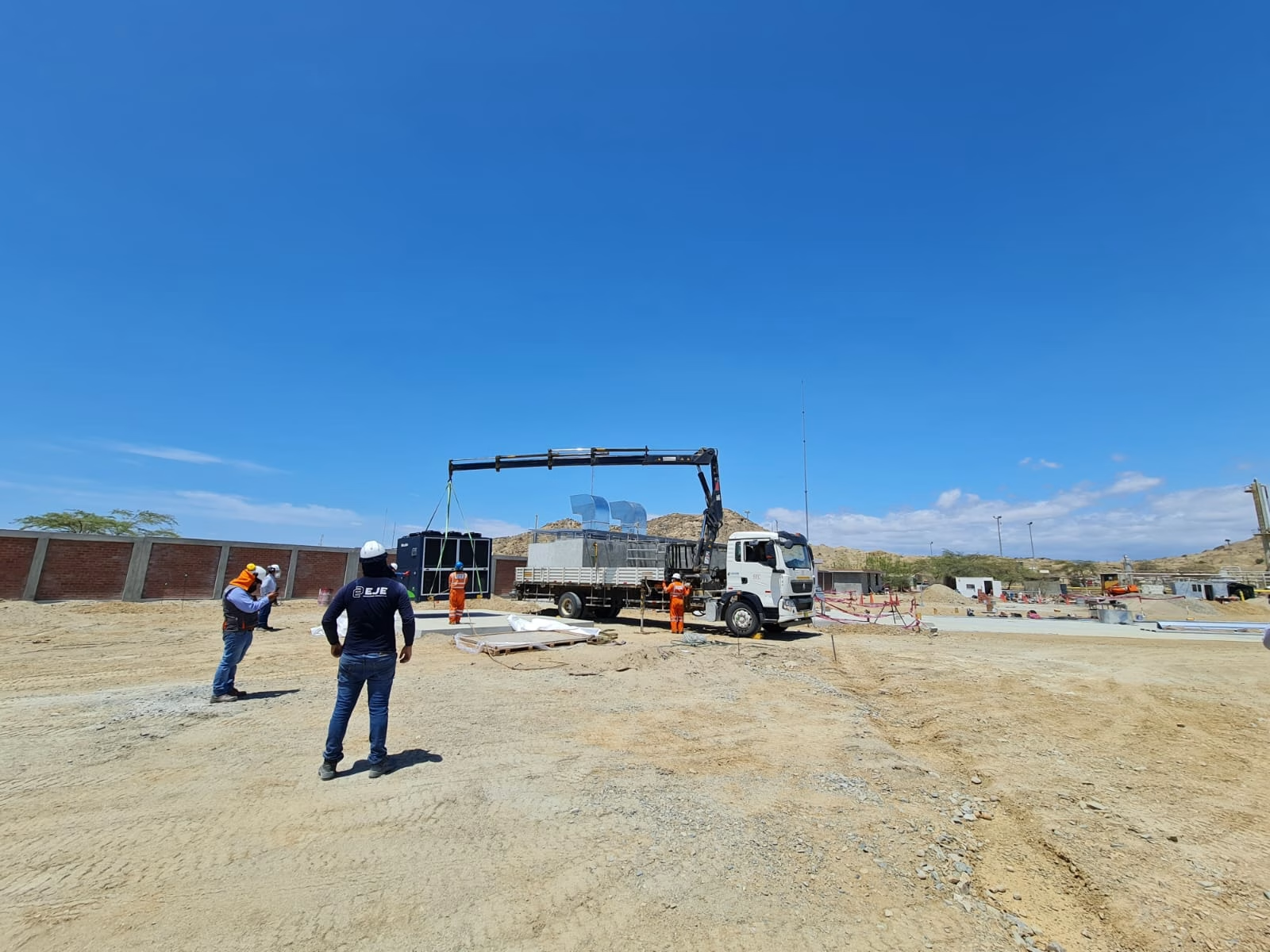
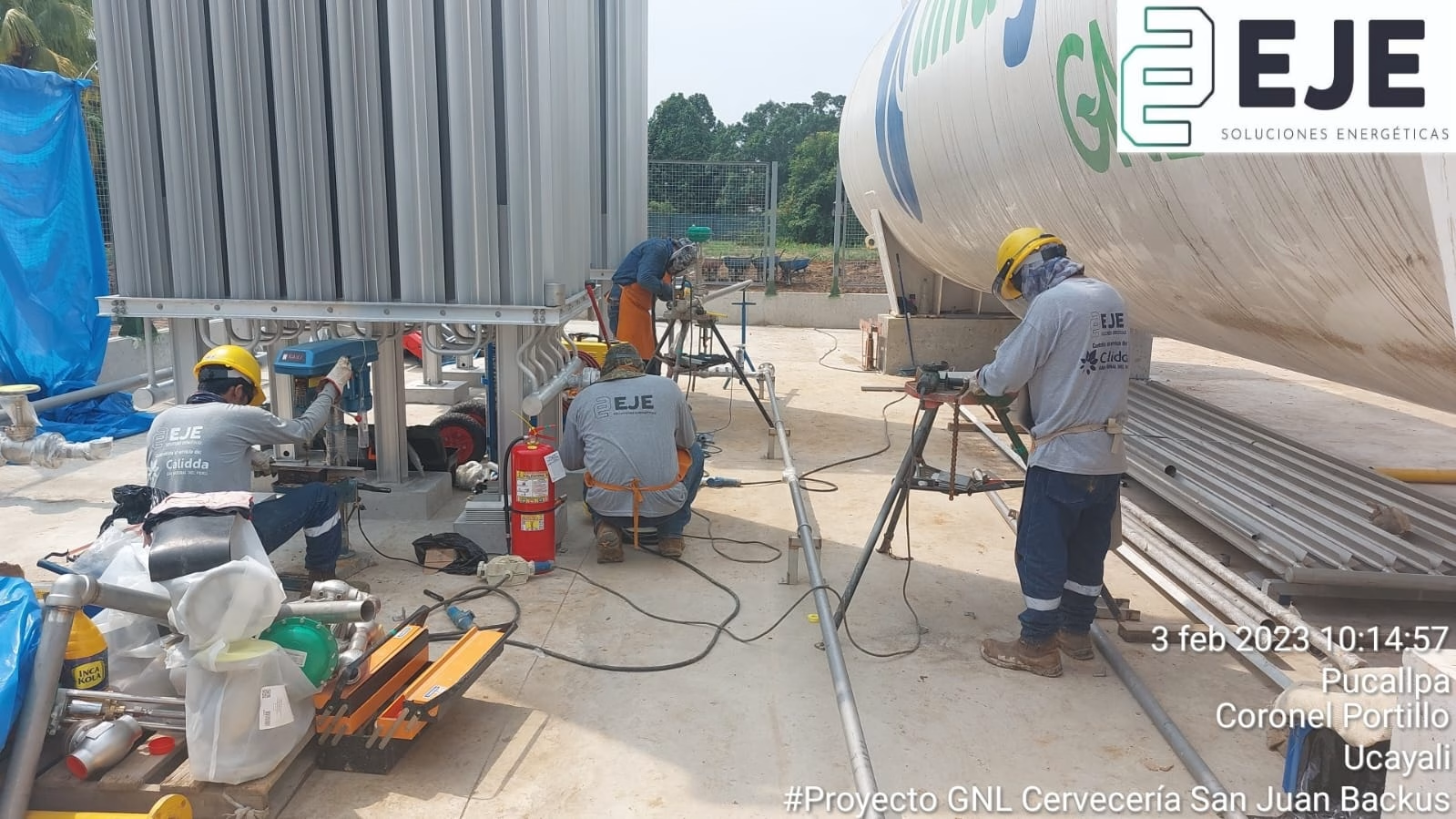
Pucallpa Brewery
Proyecto integral de montaje e instalación industrial en planta cervecera, incluyendo adecuación de sistemas energéticos, integración de infraestructura y optimización de procesos productivos para garantizar eficiencia, confiabilidad y continuidad operativa.
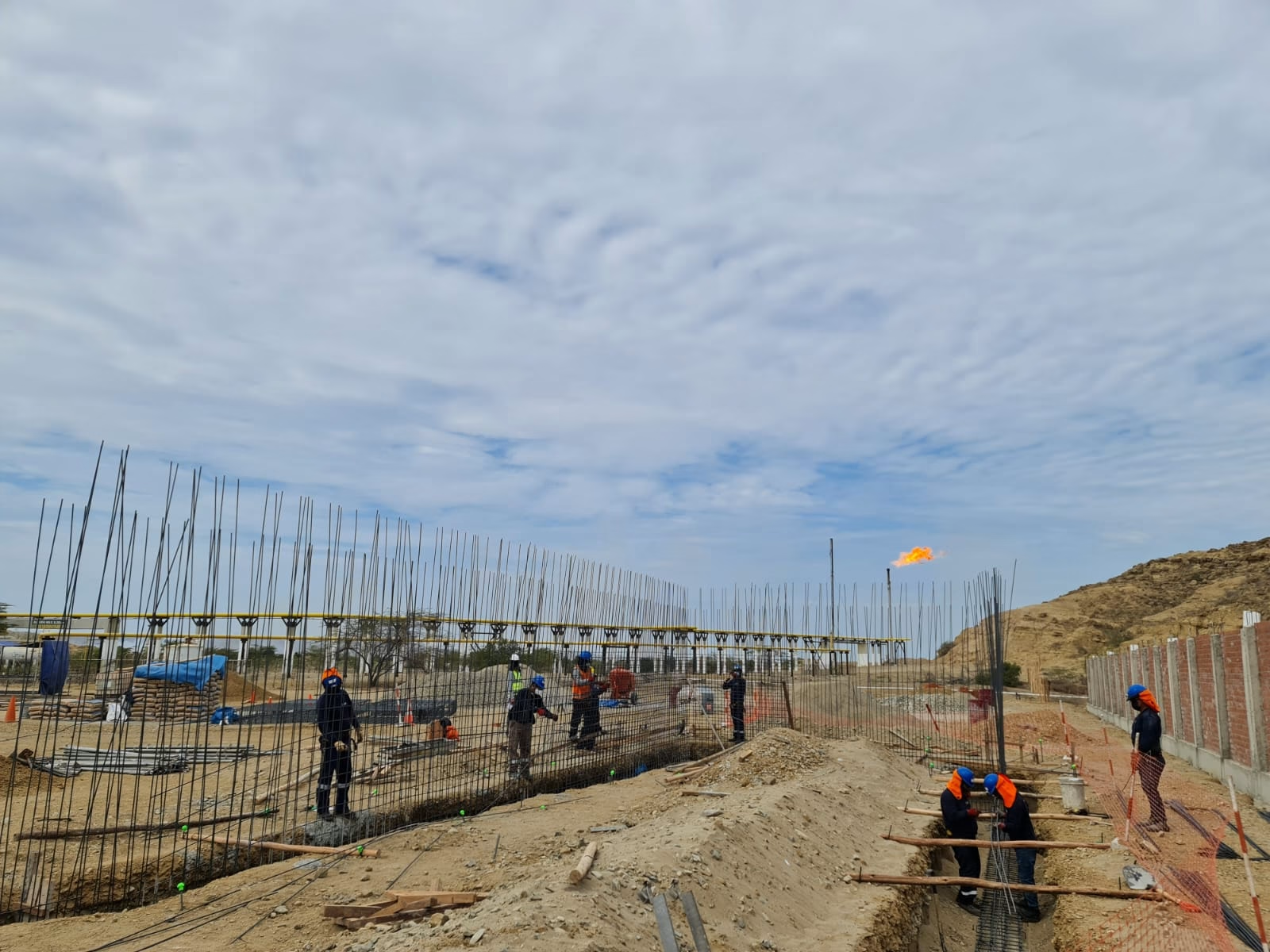
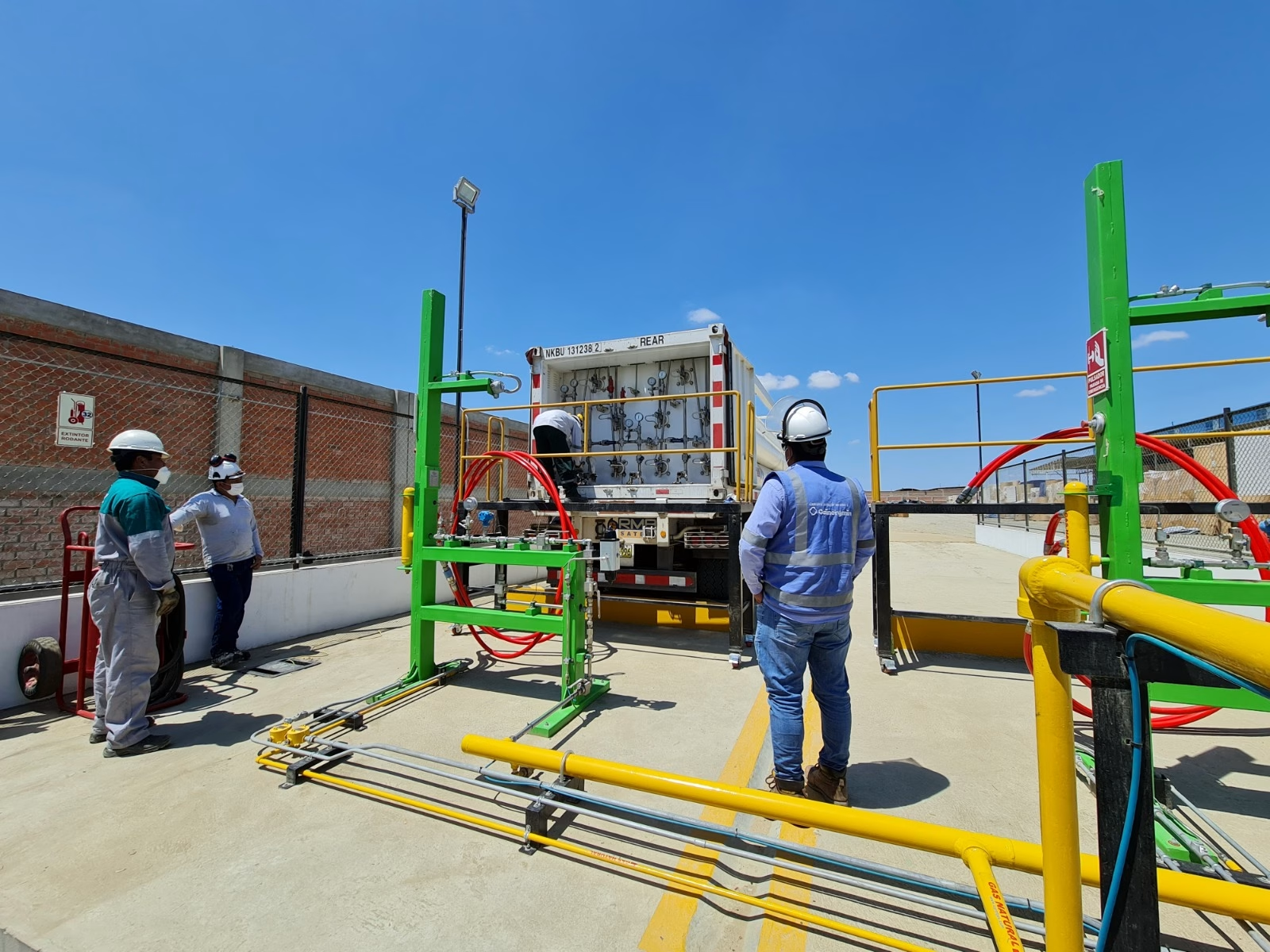
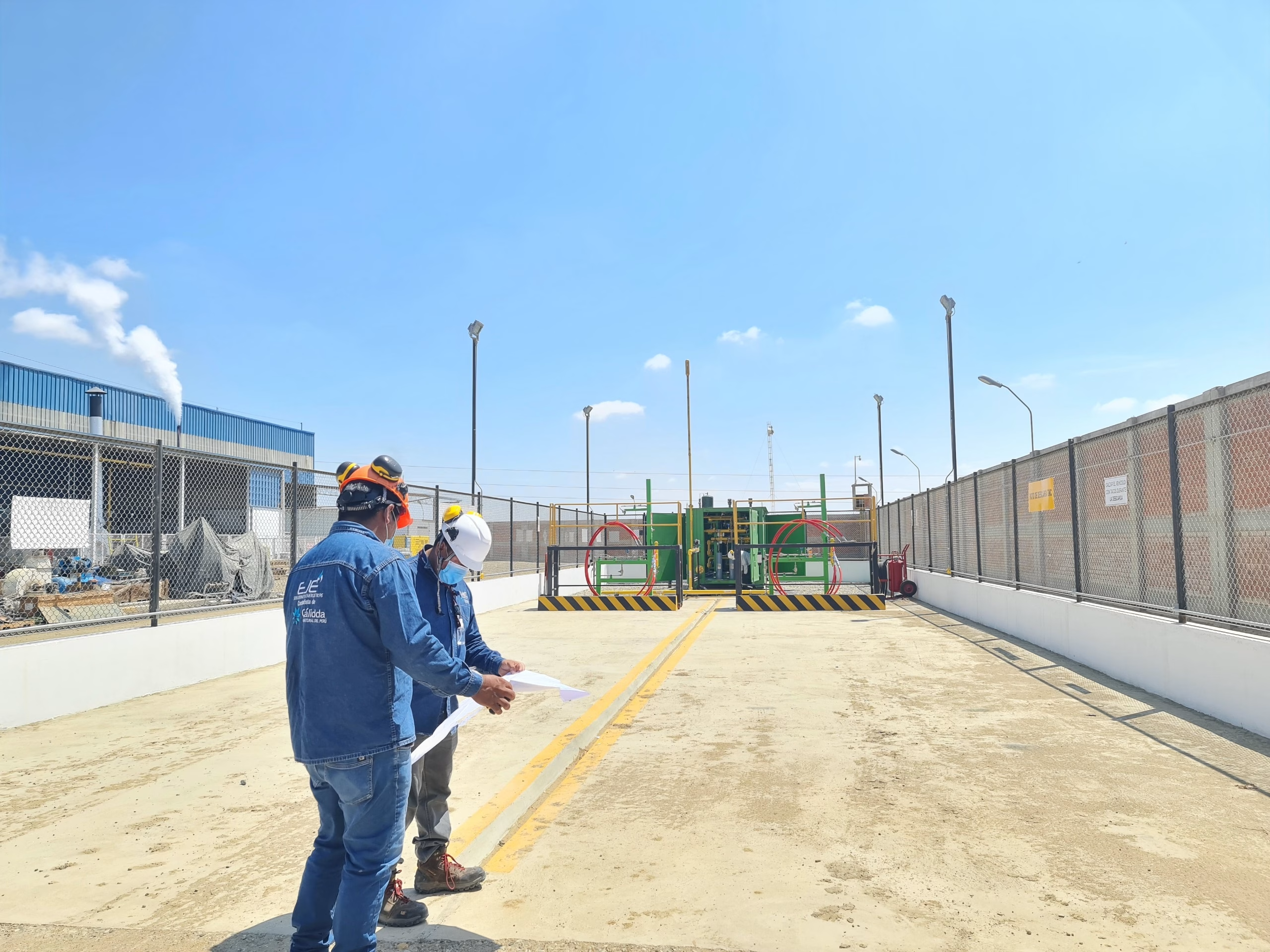
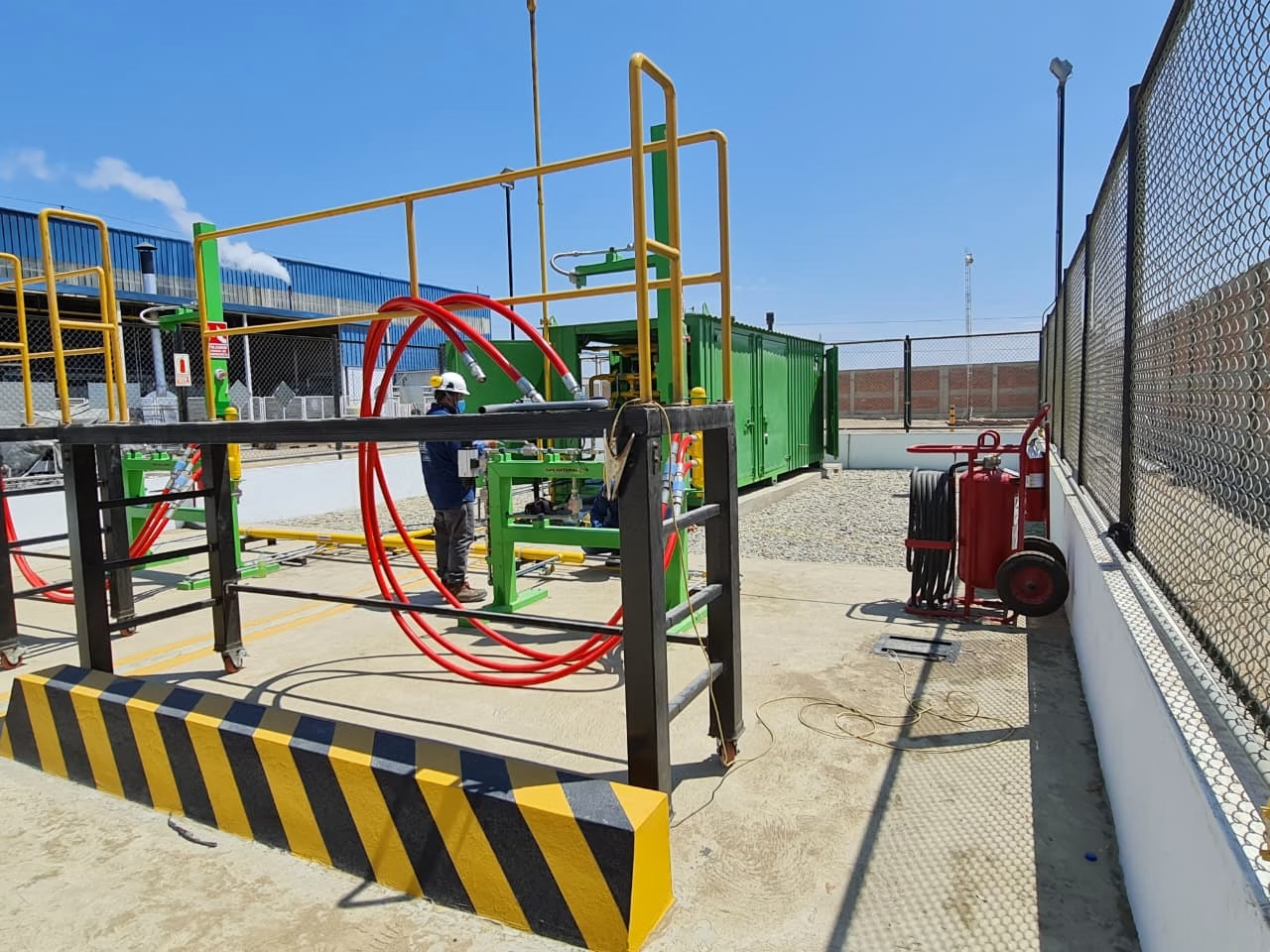
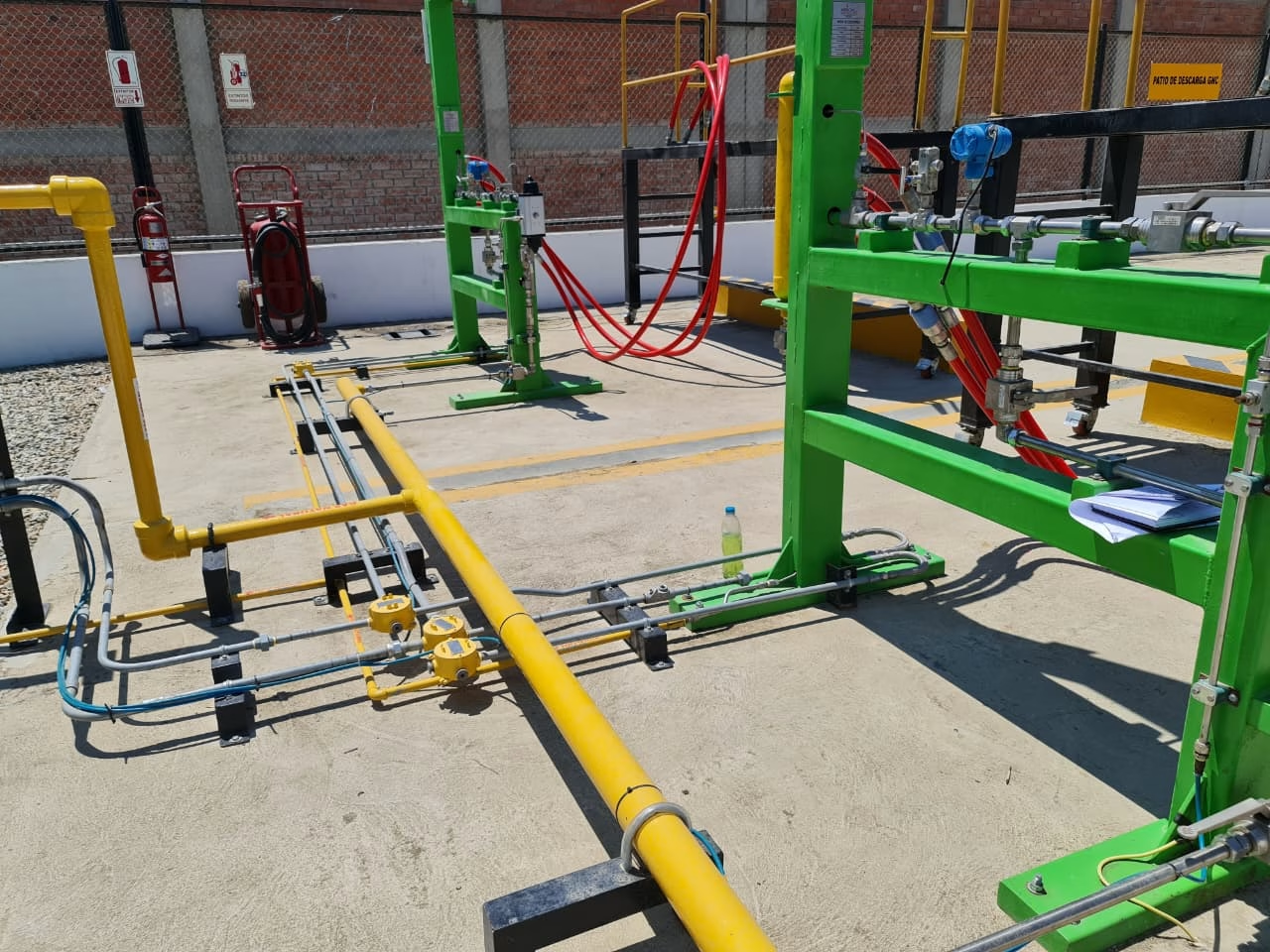
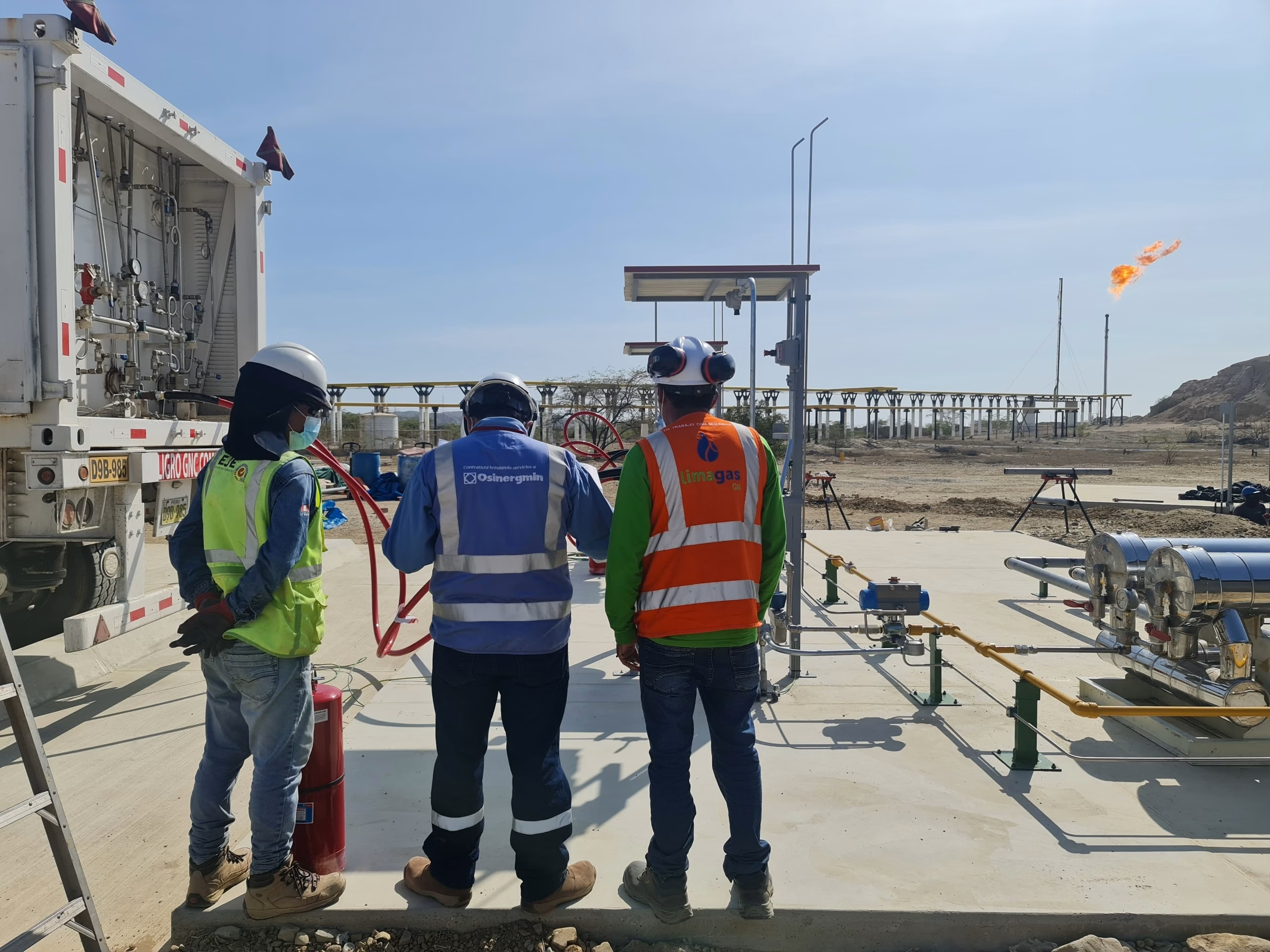
Construction of a CNG refueling station - Pariñas Talara
Desarrollo completo de estación de carga para GNC, incluyendo infraestructura, sistemas de compresión, redes de distribución y puesta en marcha, garantizando eficiencia energética y seguridad operativa.
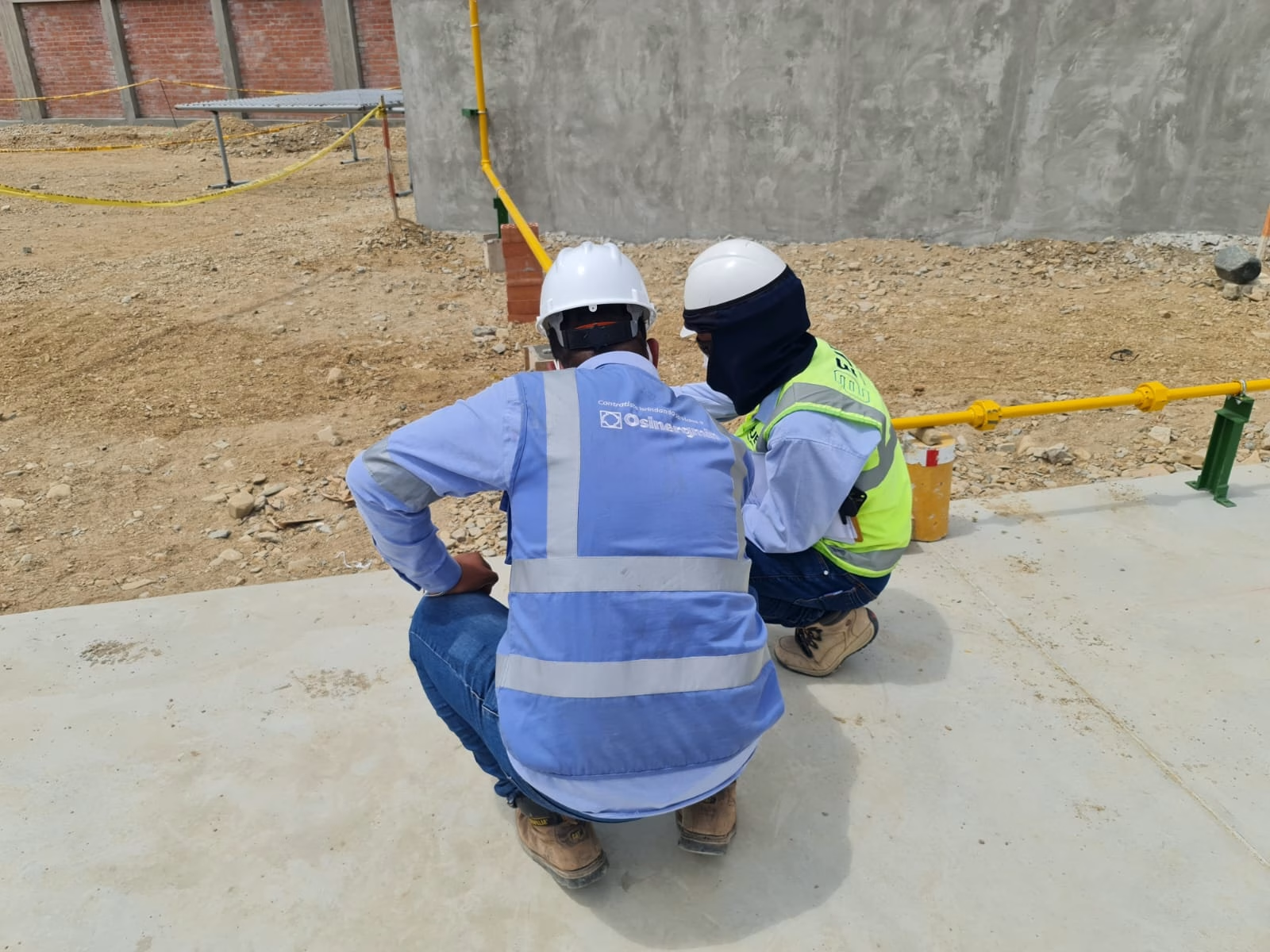
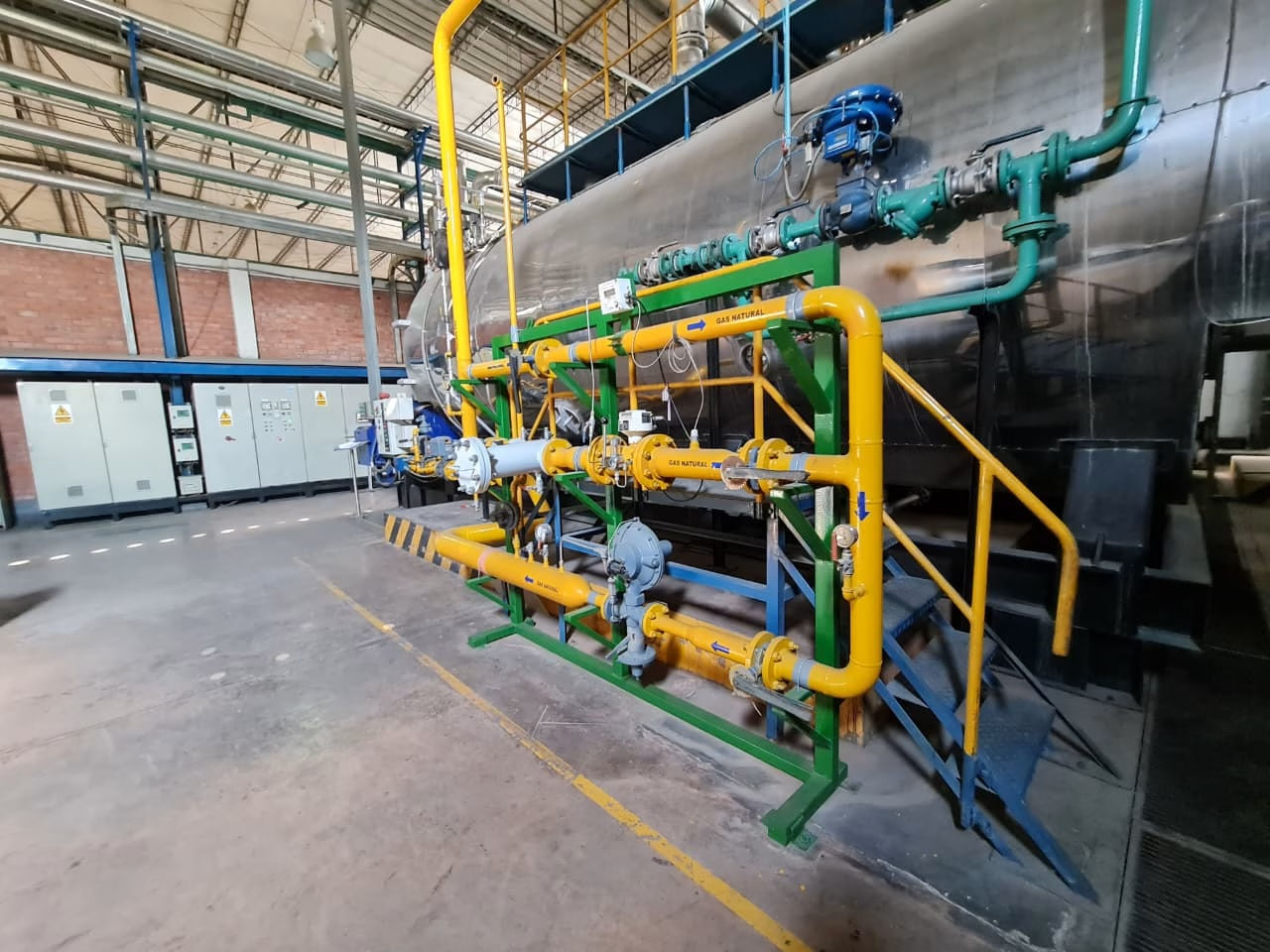
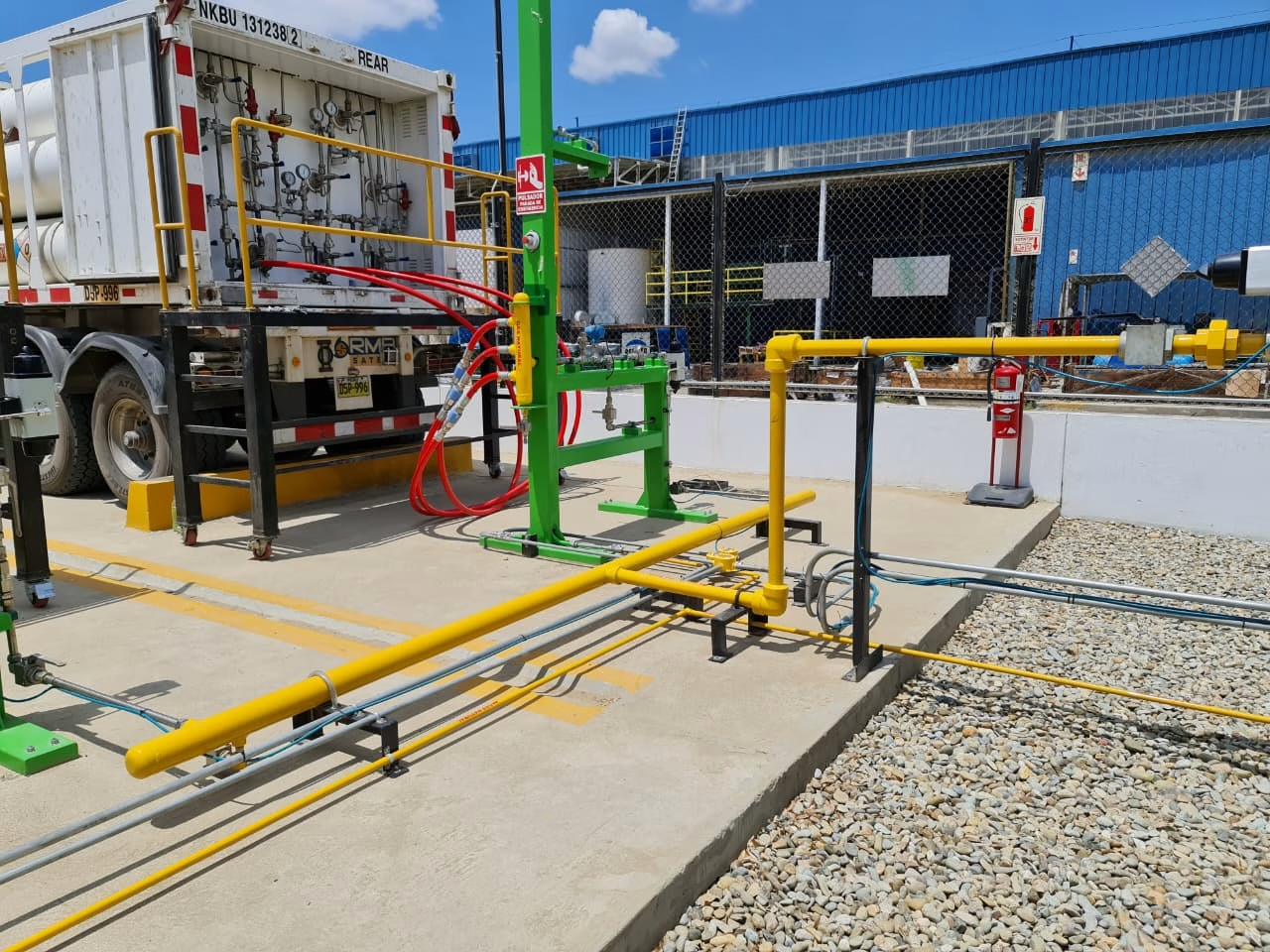
Paper industry - direct consumer of CNG
Implementación de sistema de suministro directo de GNC para industria papelera, optimizando costos energéticos y asegurando continuidad en procesos productivos de alta demanda térmica.
What do our off-grid thermal power generation plants for the extractive industry consist of?
These are robustly designed and autonomously operating thermal power plants, designed to supply steam, hot water or heating to camps and infrastructures disconnected from the main networks.
Why do we use modular designs (skids) for thermal projects in remote locations?
Workshop pre-assembly minimizes mechanical work in the field, reduces weather risks, speeds up assembly, and facilitates future relocation of equipment if the project requires it.
How do we adapt the thermal design to operate efficiently under extreme temperatures?
We implement high-density thermal insulation systems in boilers and pipes, as well as preheating systems (electric tracing) to prevent fluids from freezing in icy areas.
Is it viable to use GNL or GNC in insulated thermal systems to reduce logistical costs?
Absolutely. We design modular regasification or decompression stations ("virtual pipelines") that allow us to take advantage of natural gas in locations where main pipelines do not reach.
How do we size the storage capacity to guarantee the plant's autonomy?
We calculate storage tanks based on peak hour consumption, the area's logistics cycle times, and contingency plans for road closures or blockades.
What contingency plans do we implement to avoid unscheduled stops in isolated areas?
We incorporate redundant instrumentation, remote control systems (telemetry), and maintain a critical inventory of spare parts directly on-site.
Do we offer training to plant personnel for the safe operation of thermal equipment?
Yes, we deliver the project with detailed operation and maintenance (O&M) manuals and provide on-site training to operators to ensure safe and efficient handling.